July 12, 2026 • 12 min read
Yunnan Coffee vs Tea Tourism: Which Farm Tour Experience Is Right for You?
Yunnan is the only province in China where you can tour both a thousand-year-old tea forest AND a modern specialty coffee farm in the same week.
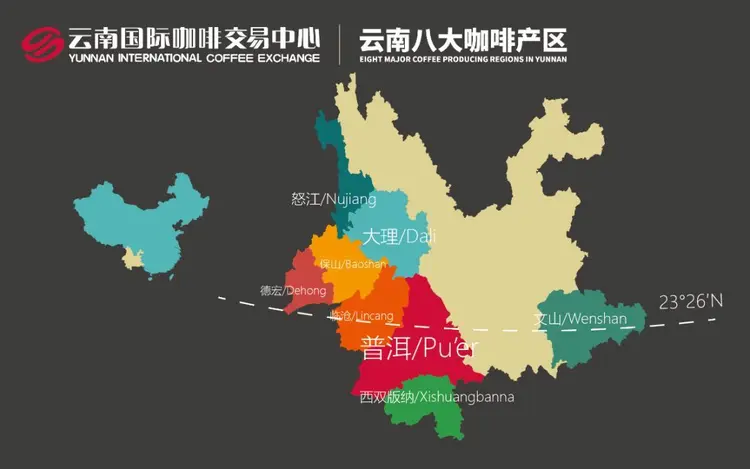
Pu'er county has 1,800-year-old tea trees growing wild on misty mountainsides. Baoshan has coffee farms winning international Cup of Excellence competitions. Both are within a few hours' drive of each other. For travelers planning a Yunnan trip around beverages, the question is: coffee farm, tea mountain, or both?
I've done both. Multiple times. The coffee tours show you a raw, emerging industry where farmers experiment with anaerobic fermentation in repurposed beer kegs. The tea tours walk you through ancient villages where families have passed down processing techniques through fourteen generations. They're both fascinating — but for completely different reasons.
This guide compares coffee and tea tourism in Yunnan head-to-head: costs, hands-on activities, best seasons, English accessibility, and how to combine both in one trip.
Coffee vs Tea Tourism at a Glance
| Factor | Coffee Farm Tour | Tea Mountain Tour |
|---|---|---|
| History on display | 30 years of modern farming | 1,000+ years of cultivation |
| Hands-on activities | Pick cherries, pulp, dry, cup | Kill-green, roll leaves, gongfu ceremony |
| Half-day cost | ¥150-400 ($20-55) | ¥200-600 ($28-85) |
| English guides | Limited (Torch Coffee main option) | Common at popular sites |
| Best season | Nov-Mar (harvest) | Mar-May (spring harvest) |
| Take-home souvenir | Fresh-roasted beans | Pu'er cake (ages for decades) |
| Scenery | Lush hills, organized rows | Ancient forests, misty peaks |
Yunnan Coffee Farm Tours: What to Expect
Yunnan's coffee tourism is in its infancy, and that's part of the charm. At farms like Manlaide in Baoshan or Torch Coffee in Pu'er, expect a raw, up-close look at how specialty coffee is born.
- Farm walks through Catimor and Typica coffee plants, with altitude and varietal explanations
- Processing demos — watch natural, washed, and honey-processed lots drying on raised beds
- Cupping sessions — taste the same beans processed three different ways (this alone is worth the trip)
- Hands-on harvesting (seasonal, November–March) — pick cherries, pulp them, follow the full journey
- Farmstay options — basic but authentic, often in the farmer's own guest room
Most coffee tours cost ¥150-400 ($20-55) for a half-day. Full-day farm tours with cupping run ¥500-800 ($70-110). English guidance is limited — Torch Coffee has international staff; smaller farms need a translator or basic Mandarin.
Pu'er Tea Mountain Tours: The Ancient Experience
Tea tourism is far more developed and polished. The ancient tea forests of Jingmai Mountain (UNESCO World Heritage since 2023) and Nannuo Mountain draw thousands of visitors annually.
- Ancient tea tree walks — see trees 500-1,800 years old, still producing leaves for premium pu'er
- Tea processing workshops — kill-green in a wok over fire, sun-dry leaves, watch shou pu'er pile-fermentation
- Gongfu tea ceremonies — multiple steepings guided by a tea master who explains how flavor evolves
- Tea factory visits — see pu'er cakes pressed, wrapped in bamboo, and aged in climate-controlled warehouses
- Tea markets — Kunming's Xiongguanbao market alone has thousands of vendors
Tea tours cost ¥200-600 ($28-85) for a day trip. Premium tours with a tea master reach ¥1,500-3,000 ($210-420). English guidance is more common here, especially around Jingmai Mountain.
Best Time of Year for Each Experience
Timing matters. Coffee and tea have different harvest seasons:
- November-March: Prime coffee harvest. Cool, dry weather. Cherry picking, processing, and cupping at their best. Tea trees are dormant — limited tea activities.
- March-May: Spring tea harvest. The first flush of tea leaves commands the highest prices. Coffee season is ending, but some farms still offer tours.
- June-September: Rainy season. Roads to mountain farms get muddy. Both coffee and tea tours are limited. Not recommended.
For a combined trip, the best window is late February to early April. Coffee harvest is still active, and spring tea harvest is just beginning.
Sample Itinerary: Coffee + Tea in One Week
- Day 1-2: Kunming — visit specialty coffee shops (Percher, Guang Thought), explore Green Lake tea market
- Day 3-4: Pu'er city — Torch Coffee farm tour (half-day) + visit a tea processing facility
- Day 5-6: Jingmai Mountain — UNESCO tea forest hike, gongfu tea ceremony with a local master
- Day 7: Return to Kunming, stock up on beans and tea cakes
What Makes the Coffee vs Tea Experience Unique to Yunnan
No other province in China offers this contrast. Fujian has oolong tea but no coffee. Hainan has Robusta but no tea culture. Yunnan is the only place where you can pick a coffee cherry in the morning and attend a gongfu tea ceremony in the afternoon — and both will be world-class experiences.
What's more, the same families often grow both. Some farmers in Pu'er county allocate part of their land to coffee and part to tea, depending on market prices. This dual-crop lifestyle is disappearing (coffee prices are more stable), but it's still visible in the older generation. When you visit, ask about it. The stories of switching between tea and coffee farming tell you everything about Yunnan's economic transformation.
Final Verdict
If you only have time for one: choose coffee if you're a hands-on learner who wants to pick, process, and taste. Choose tea if you want deeper cultural immersion and ancient trees. But the real answer is: do both. The combination — seeing a fresh coffee cherry pulped one day, then watching gongfu tea ceremony the next — is uniquely Yunnan.
Frequently Asked Questions
Can I brew pu'er in my coffee maker?
Technically yes, but you shouldn't. Pu'er needs near-boiling water (95-100°C) and the leaves need room to expand. A coffee maker's basket is too cramped and too cool. Use a gaiwan or a simple teapot with a strainer.
Which has more caffeine — pu'er or Yunnan coffee?
Per cup, Yunnan coffee has more (~95mg vs ~60-70mg). But pu'er leaves are re-steeped multiple times, and some aged pu'ers pack a surprising punch. If you're sensitive to caffeine, afternoon pu'er is gentler than afternoon coffee. I personally switch from coffee to pu'er after 2 PM — the L-theanine in the tea gives me a calm focus without the jitters that afternoon coffee sometimes causes.
Can I drink pu'er in a coffee mug like regular tea?
You can, but you'll miss the point. Grandpa-style (leaves in a mug, sip and refill) works for green tea. For pu'er, the flavor evolves across short, hot steeps. Using a small gongfu setup is the difference between a $5 experience and a $0.50 one.
Is pu'er tea the same as "Chinese black tea"?
No. Pu'er is a post-fermented tea, while "black tea" in Chinese tea terms is hong cha (fully oxidized, like English breakfast). They're completely different categories. Yunnan produces excellent hong cha (Dianhong) too, but that's a separate article.
Which Should You Drink?
Drink Yunnan coffee if... you want a morning cup that works. You like chocolatey, approachable flavors. You want to support a rising specialty origin. You drink coffee every day, and you don't want to think too hard about it.
Drink pu'er tea if... you have patience. You like flavors that challenge you. You want a drink that evolves over an hour, not a minute. You're interested in aging, collecting, and the ritual of brewing. You want to feel connected to a thousand-year tradition.
Drink both if you're a curious drinker who likes variety. Coffee in the morning for the caffeine kick and flavor clarity. Pu'er in the afternoon for the calm, the complexity, and the ritual. They're not competing — they're complementary. That's what we do at Yunnan Coffee Guide.
Ready to Try One (or Both)?
Whichever side of the comparison you landed on, here are the best places to start.
As an Amazon Associate, I earn from qualifying purchases.