Best Time to Visit Yunnan Coffee Farms — Harvest Season & Travel Guide 2026
You’ve heard Yunnan is China’s coffee heartland. You want to visit a farm, walk through the cherry-dotted rows, maybe cup some fresh microlots. The question everyone asks: when should I go? Straight answer — November through February is harvest season, and March-April is the sweet spot for great weather with fewer crowds. Here’s what you need to plan the trip.
Yunnan Coffee Seasons at a Glance
Yunnan has two real seasons: dry and wet. The dry season (November through April) lines up with the coffee harvest, and the wet season (May through October) is when the farms go quiet, trees flower, and cherries develop. Each has a totally different vibe.
Harvest Season: November – February
This is the main event. From early November through late February, Yunnan’s coffee farms are alive with pickers, sorting tables, and drying patios. If you want to see cherries being picked, pulped, fermented, and laid out to dry, this is your window.
November
The harvest kicks off on the lower-altitude farms around Pu'er and Simao. Cherries on sun-facing slopes ripen first. Farms hire seasonal pickers, and the drying beds start filling up. Daytime temps sit around 18–22°C (64–72°F) — perfect for being outside.
December – Mid-January
Peak harvest across all of Yunnan’s growing regions. Farms are at their busiest. This is the best time to see the full production chain — from cherry to parchment. Many farms run cupping sessions and farm tours during this period. Morning fog burns off by late morning, revealing stunning mountain views.
Downsides: It can get cold at night (3–8°C / 37–46°F). Pack layers. Farms are busy, so some tours need advance booking.
Late January – February
The harvest winds down on lower-elevation farms. Higher farms (1,400m+) still have cherries ripening. You’ll see lots of drying on raised beds and patios. The weather stays dry and clear. It’s a mellower time to visit — still plenty of activity, but less urgency.
What You’ll See During Harvest
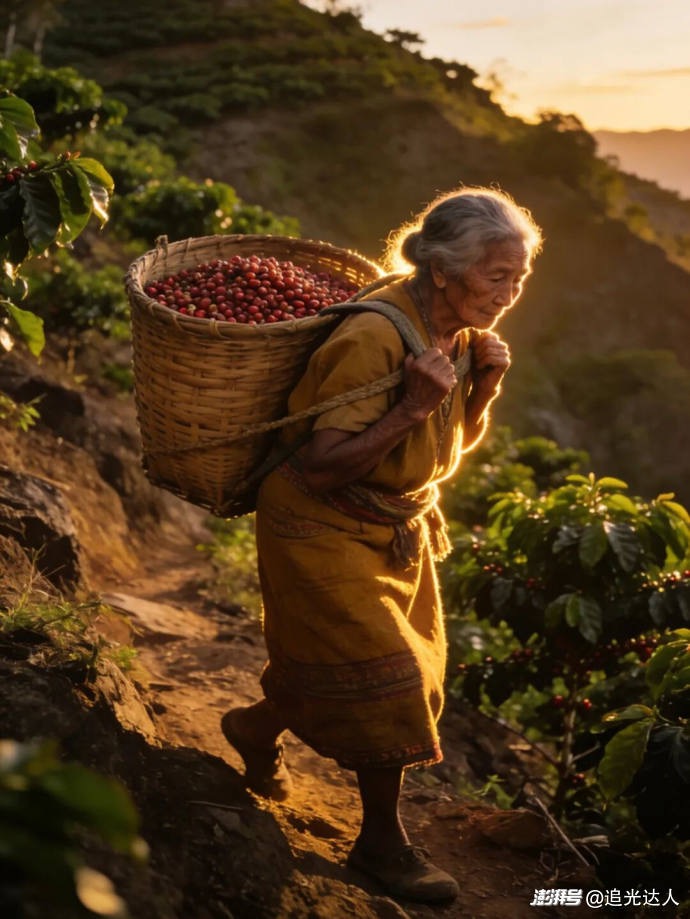
- Cherry picking: Hand-picked by farmers who can spot ripeness instantly. You’ll see baskets of deep red cherries being carried to the weighing station.
- Pulping and fermentation: Wet mills are noisy. You can watch the cherries get pulped, then fermented in tanks for 12–36 hours depending on the lot.
- Drying beds: Raised African beds covered in parchment coffee, raked daily. The smell is incredible — fruity, slightly grassy, with that honey-sweet note only drying coffee has.
- Cupping sessions: Many farms let you taste the latest lots right on site. Bring your own cupping spoon if you’re serious.
The Tourist Season: November – April
If you’re asking purely about travel comfort — good weather, clear roads, easy hiking — then November through April is the obvious answer. This is Yunnan’s dry season. Rain is rare. The sky is deep, cloudless blue most days. Temperatures at the farm elevation (1,100–1,500m) range from 15°C in the morning to 25°C at midday.
Roads to farms in Pu'er, Baoshan, and Dehong are in good condition. The dusty roads of the wet season firm up nicely. You can rent a scooter or hire a driver without worrying about landslides or muddy tracks.
March and April are particularly underrated. The harvest is over, so farms are quieter and owners have more time to chat and show you around. The weather is even better than during harvest — warmer days, less fog. You won’t see cherries being picked, but you’ll get the undivided attention of the farm team. Many farms still have dried parchment to show you and might even open an experimental lot for cupping.
Wet Season: May – October
Rainy season doesn’t mean nonstop downpour. It usually rains in short, heavy bursts — often in the afternoon or evening. Mornings can still be beautiful. But the humidity climbs, some farm roads turn slippery, and the farms are in “resting” phase between harvests.
What’s happening on the farm: The coffee trees are growing cherries. From May through August, you’ll see green cherries slowly swelling. Around April-May, the trees flower with delicate white blossoms that smell like jasmine. It’s a different kind of beautiful, but there’s no production activity to watch.
Should you visit in wet season? Only if you’re combining this trip with other Yunnan travel (like hiking in Xishuangbanna or visiting Dali) and want to fit in a farm tour as a side activity. Don’t make a wet-season trip specifically for coffee — the farms are quiet and the roads less predictable.
One exception: late September through October, when some farms harvest a small second crop (the “fly crop”). It’s not the main harvest, but you might see some activity. This is also when the weather starts drying out, making travel easier.
Where to Go: Best Farms by Region
Yunnan coffee grows across several regions, each with different altitudes, different soils, and its own harvest timing. For a full breakdown of growing areas, check the Yunnan Coffee Regions Guide. Here are my top farm picks for first-time visitors.
Pu'er / Simao
The heart of Yunnan coffee. Over 60% of the province’s coffee is grown here. Farms range from big commercial operations to tiny family plots. The area is beautiful — rolling green hills, limestone peaks, and misty mornings that burn off into postcard-perfect afternoons.
- Torch Coffee Roasters / Biaoshan Farm: The most foreigner-friendly farm in the region. English spoken. They run farm tours, cupping sessions, and even a coffee school. Harvest timing: November to February. Book through their WeChat or website.
- Aimei Coffee: A family-run organic farm with good homestay options. The owner, Uncle Li, has been growing coffee since the 1980s. You can stay overnight and join the morning pick.
- Manlao River Coffee Farm: Beautiful setting along a river valley. They do natural-process and honey-process lots. The drying patio overlooks the river — best spot for photos.
Baoshan
West of Pu'er, higher elevation (1,200–1,600m). Coffee here tends to be more acidic, with winey notes. Less visited than Pu'er, which means you’ll get a quieter experience.
- Xinzhai Coffee Farm: Oldest continuously operating farm in the region. They grow Catimor, Typica, and some experimental Geisha plots. The farm stay is basic but the coffee is top-tier.
- Gaoligong Coffee Co-op: A collective of smallholders near the Gaoligong Mountains. Great for seeing how small-scale processing works. Harvest runs a bit later here — December through early March.
Dehong / Lujiangba
Hotter, lower elevation. Coffee ripens earlier here — you can see ripe cherries as early as late October. Good option if you’re visiting in November and want the earliest harvest action.
Need more detail on specific farms? Read the full guide: Where to Visit Yunnan Coffee Farms.
What Makes Yunnan Coffee Special (and When to Taste It)
Yunnan has been growing coffee since the 1890s, but the specialty coffee boom here is only about 15 years old. That means the quality is rising fast. Most farms grow Catimor and Castillo — hardy trees that produce clean, balanced cups with medium body, chocolate notes, and a hint of citrus.
Higher-end farms are experimenting with Typica, Bourbon, and even Geisha. The best time to try these is February through April, when the previous harvest is fully dried, rested, and ready for cupping. If you visit during harvest (Nov-Feb), you’ll taste fresh-processed coffee that hasn’t fully rested yet — interesting, but not at peak flavor.
Want to understand Yunnan coffee better before you go? Read What is Yunnan Coffee and Yunnan Coffee: History & Culture.
Practical Tips for Your Yunnan Coffee Farm Trip
What to Pack
- Layers: Mornings on the farm can be 5°C, afternoons 24°C. A fleece or light puffy jacket plus a long-sleeve shirt works.
- Sturdy shoes: Farm paths are uneven, often muddy even in dry season. Hiking shoes or rubber boots work.
- Sun protection: The sun at this altitude is strong. Hat + sunscreen + sunglasses.
- A travel mug: Farms will offer you coffee constantly. Bring a good insulated travel mug to keep it hot while you walk the rows.
- Notebook and pen: You’ll learn a lot. Write down processing details, lot numbers, and recommendations.
- Aeropress or pour-over kit: Some farms don’t grind fresh for visitors. A travel pour-over dripper (or Aeropress Go) lets you brew farm coffee exactly how you like it.
- Cash: Some farms don’t take WeChat Pay or cards. Bring small bills.
Getting There
Fly to: Pu'er Simao Airport (SYM) — the most convenient for the main coffee region. Direct flights from Kunming (45 min), Chengdu, and Xishuangbanna. Alternatively, fly to Kunming (KMG) and take the high-speed train to Pu'er (2.5 hours).
Getting around: Renting a car with a driver costs about 300–500 RMB per day and is the easiest option. You can also hire a Didi or use local taxis — just save the driver’s number, because farms are remote and getting a ride back can be tricky.
Language: English is not widely spoken outside Torch Coffee and a few tourist-facing farms. Get Google Translate set up with Chinese downloaded offline. Learn these three phrases: “nǏ hǎo” (hello), “xiè xiè” (thank you), and “kāfēi zài nǎlǒ” (where is the coffee?).
Where to Stay
- Pu'er city center: Lots of hotels, from budget (150 RMB) to mid-range (400 RMB). Easy access to farms for day trips.
- Farm stays: Aimei Coffee and Xinzhai Coffee Farm both have basic but comfortable rooms (about 200 RMB/night including meals). Staying on the farm is the best way to experience sunrise over the coffee trees.
- Simao district: Closer to Torch Coffee and the southern farms. Fewer hotel options but the area is quieter and more scenic.
Best Way to Visit a Farm
Call or WeChat ahead. Seriously. Most farms welcome visitors but they’re working farms, not tourist attractions. Send a message 2–3 days before, introduce yourself, and ask if they can show you around during harvest hours (usually 8 AM – 12 PM). Most owners will be happy to walk you through the whole process.
If you’re interested in brewing, ask if they have green beans for sale. Buying directly from the farm is the best deal you’ll ever get on Yunnan specialty coffee, and you get to take a piece of the farm home.
Bringing Coffee Home
You will want to buy coffee. Lots of it. Most farms sell whole-bean and green coffee. Prices range from 60–150 RMB per kilo for green beans (depending on quality and variety) to 80–200 RMB for roasted. Compare that to what you’d pay online or in a cafe — buying at the source is a no-brainer.
A good coffee scale and a quality hand grinder will let you enjoy those farm-fresh beans the moment you’re back at your hotel. For a full gear list, see the Recommended Coffee Gear Guide.
If you visit during March or later, the current harvest’s beans have rested and are at their best flavor. If you buy during harvest season (Nov-Feb), let the beans rest for at least 2–3 weeks before brewing. For more on this, read When to Buy Yunnan Coffee.
Quick Answers to Common Questions
Is Yunnan worth visiting just for coffee?
Yes, if you’re a coffee person. The farms are beautiful, the coffee quality is improving every year, and the experience is completely different from visiting a roastery back home. But combine it with other Yunnan attractions — Pu'er tea mountains, Xishuangbanna’s tropical forests, Dali old town — and you’ll have a richer trip.
Can I visit a farm without speaking Chinese?
Torch Coffee Roasters and a few larger farms have English-speaking staff. For most smaller farms, you’ll need a translator app, a Chinese-speaking friend, or a guide. It’s doable — coffee people communicate through the universal language of tasting notes and hand gestures.
What’s the cheapest month to go?
April or September. Flights and hotels are cheaper outside peak harvest season. Weather is still decent, and you’ll have the farms mostly to yourself.
Is it safe to travel in Yunnan?
Very. Yunnan is one of China’s safest provinces. Road conditions are decent, crime is low, and locals are welcoming. The biggest risk is altitude sickness if you head toward the highlands around Shangri-La — but Pu'er and Simao sit at a manageable 1,300m.
Should I do a farm tour or go solo?
Solo gives you more flexibility and you’ll interact directly with farmers. Tours are easier if you don’t speak Chinese and want a structured experience. Some companies in Kunming and Pu'er offer 2–3 day coffee farm tours starting around 1,500 RMB.
So When Should You Go?
If you only have one chance to visit Yunnan coffee farms, aim for early December. You’ll catch peak harvest, the weather is perfect for outdoor days, and the farms are buzzing with energy.
If you want a more relaxed trip with better one-on-one time with farmers, March is your month. The post-harvest calm means the coffee has rested and tastes its best, the weather is even warmer, and you can tack on a tea mountain visit without the crowds.
Either way, the important thing is to go. Yunnan coffee is having a moment, and seeing it at the source will change how you think about Chinese coffee.
See you on the farm.
Further Reading
- Where to Visit Yunnan Coffee Farms — detailed farm profiles and contact info
- What is Yunnan Coffee? — the basics of origin, flavor, and varieties
- Yunnan Coffee: History & Culture — from missionary seeds to specialty boom
- How to Brew Yunnan Coffee Right — recipes and techniques for these beans
- Yunnan Coffee Regions Guide — Pu'er, Baoshan, Dehong, and beyond
- When to Buy Yunnan Coffee — seasonal buying guide for green and roasted beans
- Yunnan Coffee vs. Pu'er Tea — two great Yunnan beverages compared
- Recommended Coffee Gear — our picks for brewing, cupping, and travel