July 12, 2026 • 14 min read
Kunming vs Dali vs Lijiang: Which Yunnan City Should You Visit?
Three cities. Three completely different Yunnans. If you're planning a trip, you're probably wondering which one to base yourself in — or at least how to split your time.
Kunming is the capital: modern, functional, with the best coffee scene in the province. Dali is the backpacker favorite: ancient town vibes, a massive lake, stunning mountain backdrop. Lijiang is the tourist magnet: UNESCO-listed old town, Naxi minority culture, and the gateway to Tiger Leaping Gorge and Shangri-La.
I've lived in Kunming for over a year. I've spent weeks in Dali and visited Lijiang multiple times. Here's how they actually compare — not the tourist brochure version.
Kunming vs Dali vs Lijiang at a Glance
| Factor | Kunming (昆明) | Dali (大理) | Lijiang (丽江) |
|---|---|---|---|
| Vibe | Modern city, real China | Ancient town, backpacker relaxed | Tourist-centric, canals and cobblestone |
| Coffee scene | Excellent — 30+ specialty shops | Good — 10-15 decent cafés | Limited — mostly chain/storefront coffee |
| English accessibility | Low (growing in cafés) | Moderate (backpacker English) | High (tourism-focused) |
| Cost of living (monthly) | $700-1,200 | $600-1,000 | $500-900 |
| Must-see | Green Lake, Stone Forest, tea market | Erhai Lake, Cangshan, Xizhou village | Old Town, Jade Dragon Snow Mountain, Black Dragon Pool |
| Weather (avg temp) | 15-24°C year-round | 8-22°C (cooler) | 5-20°C (coolest, high altitude) |
| Best for | Coffee lovers, digital nomads, city explorers | Relaxation, nature, slow travel | First-time visitors, hikers, photographers |
| Minimum stay | 2-3 days | 3-4 days | 2-3 days |
Kunming: The Coffee Capital
Best for: Specialty coffee lovers, digital nomads, people who want to experience a real Chinese city without the chaos of Beijing or Shanghai.
Kunming is the most "real" of the three. It's a functioning major city (8.5 million people), not a tourist destination dressed up for visitors. The old town has been mostly demolished and rebuilt, unlike Dali and Lijiang. What you get instead is a vibrant, livable city with good air, excellent infrastructure, and the best specialty coffee scene in China outside of Shanghai.
The coffee scene is concentrated around Green Lake (Cuihu), where Percher, Guang Thought, and Manner are all within a 10-minute walk. It's not unusual to see people working on laptops in these cafés all afternoon — the digital nomad culture is quietly growing here.
Downsides: Less scenic than Dali or Lijiang. Fewer English speakers. The Stone Forest is overrated (¥130 entry for a bunch of rocks). Skip it unless you have extra time.
Dali: The Backpacker's Dream
Best for: Slow travel, nature, photography, people who want to relax with a view.
Dali is where Yunnan's beauty hits you immediately. The old town sits at the base of the Cangshan mountain range, looking out over Erhai Lake. The setting is spectacular — easily the most photogenic of the three cities.
The old town itself is a mix of ancient architecture, boutique hotels, and cafés. It's touristy but not aggressively so (Lijiang is worse). The vibe is relaxed — people sit by Erhai Lake for hours, cycle the lakeside road, and eat at open-air restaurants. Dali also has an interesting arts scene, with several galleries and artist studios in the surrounding countryside.
Coffee scene: Smaller than Kunming but quality is improving. Several cafés serve Yunnan single-origin pour-overs. Bai Coffee in Xizhou village is the standout.
Downsides: Smaller job/opportunity market. Winters are cold (averaging 8°C / 46°F). Less reliable WiFi than Kunming. Gets crowded on weekends and Chinese holidays.
Lijiang: The Tourist Magnet
Best for: First-time China visitors, photographers, hikers, people who want the most "classic" Yunnan experience.
Lijiang's old town is a UNESCO World Heritage site, and it's easy to see why — canals run through every street, waterwheels turn in the squares, and the Naxi minority culture is visible everywhere. It's also the most tourist-saturated city in Yunnan. The old town is beautiful but feels like a theme park, especially during peak season.
Lijiang's real draw is what's outside the city: Jade Dragon Snow Mountain (5,596m / 18,360ft), Tiger Leaping Gorge (one of the deepest gorges in the world), and the road to Shangri-La. If you're an outdoor person, Lijiang is your base camp.
Coffee scene: The weakest of the three. Most cafés serve instant or low-quality brew. A few specialty shops exist (check out Slow Life Coffee) but don't come here for the coffee.
Downsides: Very touristy. Overpriced restaurants. Constant touts. If you've seen one canal-side old town in China, you've seen them all — Lijiang is photogenic but lacks authenticity. The entry fee (¥80) is also annoying.
Which One Should You Choose?
Choose Kunming if: You care about coffee quality, need reliable internet, want to experience a real Chinese city, or plan to stay for more than a week. Kunming is the best base for coffee-related travel and the most practical for long-term stays.
Choose Dali if: You want the beautiful China you've seen in photos. The lake, the mountains, the ancient town — Dali delivers the experience most travelers are looking for. Also choose Dali if you want to relax and have zero interest in seeing coffee farms.
Choose Lijiang if: You're a first-time China visitor, you want to see Tiger Leaping Gorge or Jade Dragon Snow Mountain, or you're combining Yunnan with a trip to Shangri-La and Tibet. Otherwise, skip it — Dali is more authentic and less crowded.
My recommendation: Spend 2 days in Kunming (coffee + tea market), 3 days in Dali (relax + cycle the lake), and skip Lijiang unless you're hiking the gorge. If you have a full week, add Dali and skip Lijiang entirely. You won't miss much.
Frequently Asked Questions
How do I get between Kunming, Dali, and Lijiang?
High-speed train is the best option. Kunming to Dali: 2 hours (¥145). Dali to Lijiang: 1 hour (¥65). Kunming to Lijiang direct: 3 hours (¥220). Buses are cheaper but half the speed.
Which city has the best weather?
Kunming is known as the "Spring City" for a reason — year-round temperatures of 15-24°C (59-75°F). Dali and Lijiang are colder (especially in winter) and have more rain. For consistent pleasant weather, Kunming wins.
Is Lijiang too touristy?
Yes. The old town is beautiful but packed with souvenir shops, loud bars, and selfie-taking crowds. Outside the old town it's a normal Chinese city. If you go, stay outside the old town and visit early morning or late evening when crowds thin out.
Can I visit coffee farms from Dali or Lijiang?
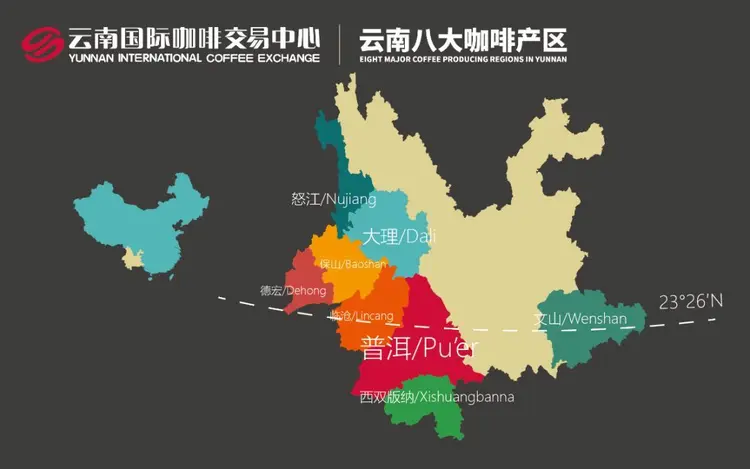
The main coffee-growing region is around Pu'er and Baoshan, about 3-5 hours from Dali by road. From Lijiang it's even further (6-8 hours). If coffee farms are a priority, base yourself in Kunming and take the train to Pu'er for 2-3 days.
Which city is safest for solo female travelers?
All three are very safe. Kunming is the safest (lower crime rate, better-lit streets). Dali is also safe but requires caution at night on the poorly lit lakeside roads. Lijiang has occasional pickpocketing in the old town crowds.
Which Should You Drink?
Drink Yunnan coffee if... you want a morning cup that works. You like chocolatey, approachable flavors. You want to support a rising specialty origin. You drink coffee every day, and you don't want to think too hard about it.
Drink pu'er tea if... you have patience. You like flavors that challenge you. You want a drink that evolves over an hour, not a minute. You're interested in aging, collecting, and the ritual of brewing. You want to feel connected to a thousand-year tradition.
Drink both if you're a curious drinker who likes variety. Coffee in the morning for the caffeine kick and flavor clarity. Pu'er in the afternoon for the calm, the complexity, and the ritual. They're not competing — they're complementary. That's what we do at Yunnan Coffee Guide.
Ready to Try One (or Both)?
Whichever side of the comparison you landed on, here are the best places to start.
As an Amazon Associate, I earn from qualifying purchases.