Yunnan and Vietnam share a land border of nearly 1,300 kilometers. They share similar latitudes, similar monsoon climates, and in many places, similar red volcanic soils. But walk into a coffee shop in Kunming and another in Hanoi, and you'll taste two completely different worlds.
Yunnan is China's quiet coffee revolution — a region transforming from tea-growing tradition into one of the world's most promising specialty Arabica origins. Vietnam is the undisputed Robusta king, the world's second-largest coffee producer, pumping out over 29 million bags a year — more than Colombia, Ethiopia, and Honduras combined.
They're neighbors. They're competitors in some markets. And they represent two fundamentally different philosophies about what coffee should be. Here's the full comparison.
At a Glance: The 30-Second Summary
| 🇻🇳 Vietnam | 🇨🇳 Yunnan (China) | |
|---|---|---|
| Primary Species | Robusta (97%) | Arabica (90%+) |
| Annual Production | ~29 million bags (60kg) | ~2.3 million bags (60kg) |
| Global Rank | #2 (after Brazil) | ~#14 |
| Altitude | 500–1,500m | 800–1,800m |
| Key Regions | Central Highlands (Buon Ma Thuot, Da Lat, Lam Dong) | Pu'er, Baoshan, Lincang, Dehong |
| Typical Caffeine | 2.2–2.7% (high) | 1.1–1.5% (moderate) |
| Acidity | Very Low | Low to Medium |
| Body | Full, heavy | Medium to Full |
| Trademark Drink | Cà phê sữa đá (iced, sweetened, condensed milk) | Black pour-over (gaining pour-over culture) |
| Avg. Export Price | $1.50–3.00/lb (Robusta) | $10–20/lb (specialty Arabica) |
Key insight: Vietnam produces 12× more coffee than Yunnan by volume — but Yunnan's value per pound is 5–10× higher.
Two Completely Different Beans
The most important difference isn't where they're grown or how they're processed. It's the species itself.
Vietnam is a Robusta nation. 97% of Vietnam's coffee is Coffea canephora — Robusta. This species thrives at lower altitudes, resists disease better, and produces significantly more cherries per tree than Arabica. Robusta contains roughly double the caffeine of Arabica, which acts as a natural pesticide. It also has less sugar, more chlorogenic acid, and a famously bitter, earthy flavor profile.
Yunnan is an Arabica territory. Over 90% of Yunnan's coffee is Coffea arabica — predominantly the Catimor variety (a hybrid of Caturra and Timor), along with smaller plantings of Typica, Bourbon, and experimental Geisha lots. Yunnan's high-altitude plateaus (800–1,800m) and cooler subtropical climate create conditions closer to Central America than to Southeast Asia's tropical lowlands.
🇻🇳 Vietnam Robusta
- Bitter, bold, earthy — Dark chocolate, roasted grain, woody notes
- Peanut & malt — Nutty, cereal-like undertones
- Low sugar — Almost no fruit sweetness
- Heavy body — Thick, almost syrupy mouthfeel
- ~2.5% caffeine — Twice the kick
Best for: Espresso blends, iced coffee, Vietnamese phin brewing
🇨🇳 Yunnan Arabica
- Chocolate & cocoa — Smooth, approachable, never harsh
- Nutty & caramel — Almond, hazelnut, brown sugar sweetness
- Tea-like subtlety — Herbaceous notes from Pu'er tea country
- Medium body — Clean, satisfying mouthfeel
- ~1.3% caffeine — Standard Arabica level
Best for: Pour-over, drip, specialty filter coffee
In short: Drinking Yunnan Arabica and Vietnam Robusta side by side is like comparing a single-malt Scotch to a dark, bitter Guinness. Both are excellent at what they do. They just do completely different things.
Production Scale: David vs Goliath
Vietnam produces roughly 29 million 60kg bags of coffee per year. That's about 17% of the world's total coffee. It's the largest Robusta producer by a landslide and the second-largest coffee producer overall, only behind Brazil.
Yunnan produces roughly 2.3 million bags — about 1.5% of global output, and roughly 98% of China's total coffee production. Against Vietnam's output, Yunnan looks tiny.
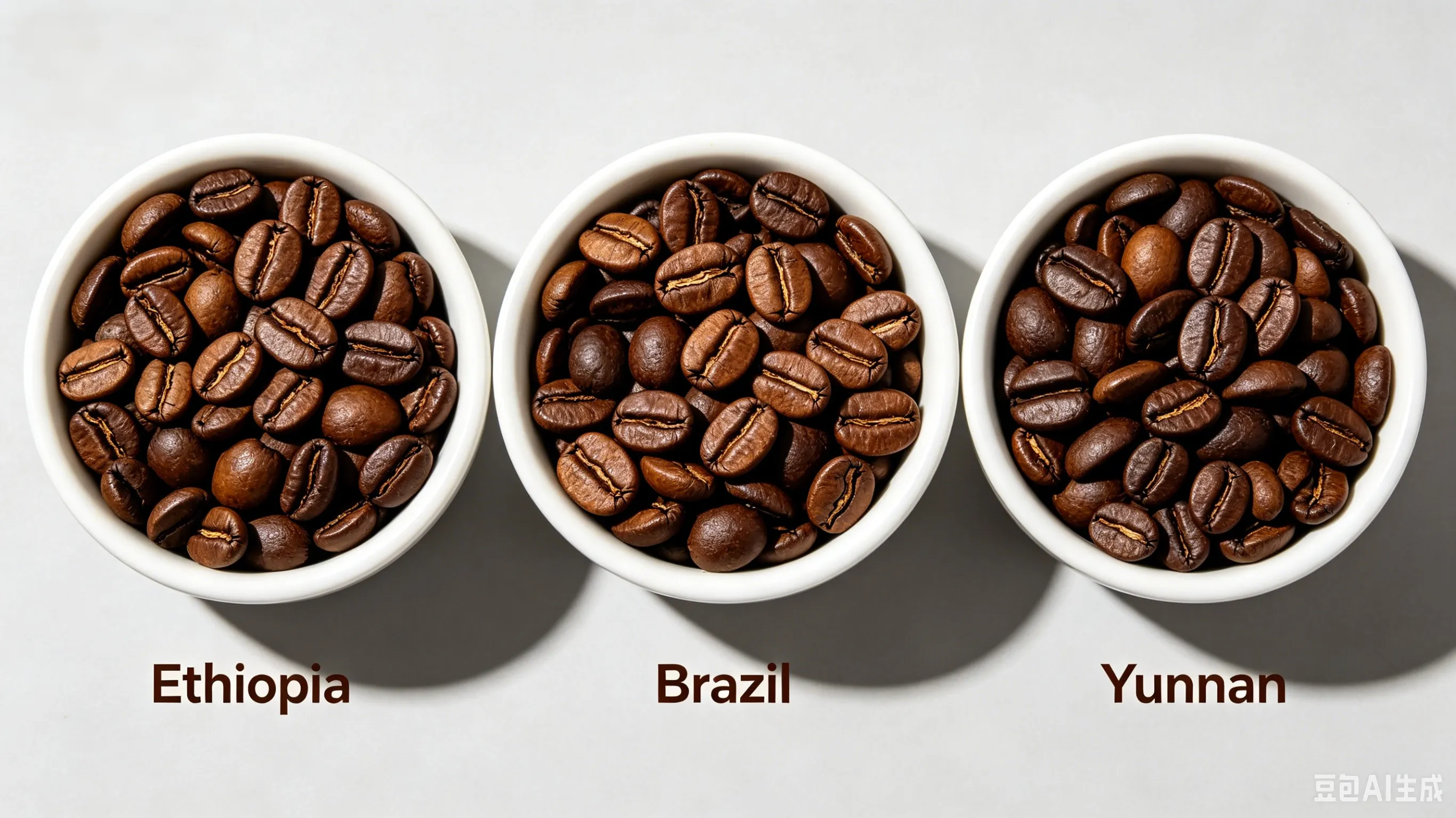
Yunnan's Arabica beans (top) vs Vietnam's Robusta beans (bottom) — notice the size and shape differences
But here's where the numbers mislead: the market segments don't overlap much. Vietnam's coffee goes overwhelmingly into instant coffee, mass-market espresso blends, and the domestic phin-filter market. Yunnan's specialty-grade Arabica competes in the single-origin specialty market — the same shelves as Costa Rica, Ethiopia, and Colombia.
A more useful comparison: Yunnan's specialty-grade output (beans scoring 80+ points) is roughly 20,000–30,000 bags per year — about the same as a mid-sized specialty origin like Panama or Costa Rica. In that niche, Yunnan's growth rate is outpacing almost everyone.
Contrasting Histories
Vietnam's coffee story is one of speed. Coffee arrived with French colonists in the 1850s but didn't take off until the 1990s. When the Soviet Union collapsed and Vietnam lost its primary trading partner, the government turned to coffee as a strategic export. They gave farmers land, seedlings, and fertilizer subsidies. Coffee production exploded from ~50,000 tons in 1990 to over 1.6 million tons by 2020 — a 32× increase in 30 years. It was the fastest coffee expansion in history.
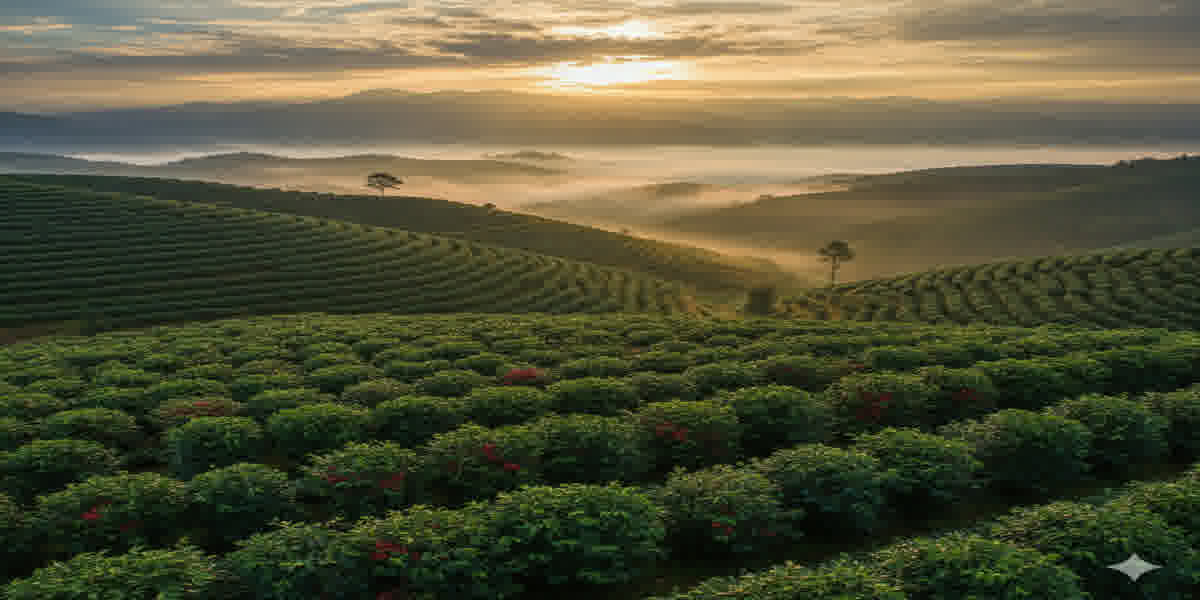
Yunnan's story is slower and quieter. The first Arabica trees arrived in 1892 via a French missionary named Father Alfred Liétard, planted in the remote village of Zhukula (朱苦拉). For nearly a century, only a handful of farmers grew coffee, mostly for domestic use. The modern industry began in 1988 when Nestlé launched commercial cultivation. But the real transformation — the shift from commodity to specialty — only began around 2015, when international experts recognized Yunnan's potential.
Vietnam raced to the bottom of the price curve and won. Yunnan is racing to the top and is still finding its footing.
Brewing Traditions: Phin vs Pour-Over
If Vietnam and Yunnan represent two different beans, their brewing cultures reflect completely different relationships with coffee.
🇻🇳 Vietnam: The Phin Filter
The phin (pronounced "feen") is Vietnam's signature brewing device — a small metal drip filter that sits directly on top of a cup. Coarsely ground Robusta goes into the phin, hot water is poured in, and gravity slowly drips the coffee through. The result is a dark, intensely bitter concentrate that's typically poured over ice, over sweetened condensed milk (cà phê sữa đá), or sometimes with yogurt (cà phê sữa chua).
Vietnamese coffee culture is social, slow, and sweet. You sit on a tiny plastic stool on a sidewalk, sip your iced coffee through a straw, and watch the motorbikes stream by. The drink is almost always cold, almost always sweet, and almost always shared with company.
🇨🇳 Yunnan: The Third Wave Apprentice
Yunnan has no indigenous brewing tradition for coffee — it has a thousand-year brewing tradition for tea. As Yunnan coffee culture develops, it's borrowing from the global third-wave movement: pour-overs, V60s, AeroPress, and espresso from La Marzocco machines. Kunming and Pu'er now have specialty cafés that rival those in Shanghai or Melbourne.
There's also a fascinating cultural hybrid emerging: some Yunnan roasters are experimenting with coffee brewed in traditional Yixing clay teapots, bridging Yunnan's tea heritage with its coffee future. You won't find this anywhere else in the world.
Quality & Price: Different Games
| Metric | 🇻🇳 Vietnam | 🇨🇳 Yunnan |
|---|---|---|
| Typical SCA Score | 75–80 (Robusta rarely scores higher) | 80–86 (some lots reach 87+) |
| Price per lb | $1.50–$3.00 (commodity Robusta) | $10–$20 (specialty Arabica) |
| Quality Control | Variable — high volume, mixed quality | Improving — farmers' cooperatives, Cup of Excellence standards |
| Export Markets | Instant coffee, commercial roasters, Europe | Specialty roasters in US, Japan, Europe, Australia |
Vietnam has recently made moves into specialty coffee — especially through the work of organizations like Vietnam Amazing Coffee and initiatives in Da Lat that focus on high-altitude Robusta and even experimental Arabica lots. But specialty still accounts for less than 1% of Vietnam's total output.
Yunnan is going in the opposite direction — from the start, its strategy has been specialty or bust. There's no commodity market for Yunnan beans (the domestic Chinese market is small, and international buyers want quality). This creates a natural incentive structure: Yunnan farmers must improve quality to survive — a very different dynamic from Vietnam, where selling bulk Robusta is always an option.
Which One Should You Choose?
This isn't a competition — these two coffees serve completely different purposes. Here's a practical guide:
Choose Yunnan Arabica when you want:
- A smooth, chocolatey, low-acid filter coffee
- Single-origin pour-over experience
- To explore an emerging specialty origin with a unique story
- High-quality beans without the price tag of Colombia or Ethiopia
Choose Vietnamese coffee when you want:
- Bold, thick, intensely caffeinated espresso drinks
- Authentic cà phê sữa đá at home
- A robust base for milk drinks and Vietnamese-style preparations
- An affordable everyday coffee option
Or better yet: Buy both. Use Yunnan Arabica for your morning pour-over when you want clarity and nuance. Use Vietnamese Robusta for afternoon iced lattes or when you need that extra caffeine kick. They're not replacements for each other — they're different tools in your coffee toolkit.
One place they overlap beautifully: blending. Some forward-thinking roasters are already blending Yunnan Arabica with high-quality Vietnamese Robusta for espresso — combining Yunnan's chocolate sweetness with Vietnam's crema-producing body. If you can find one, try it.
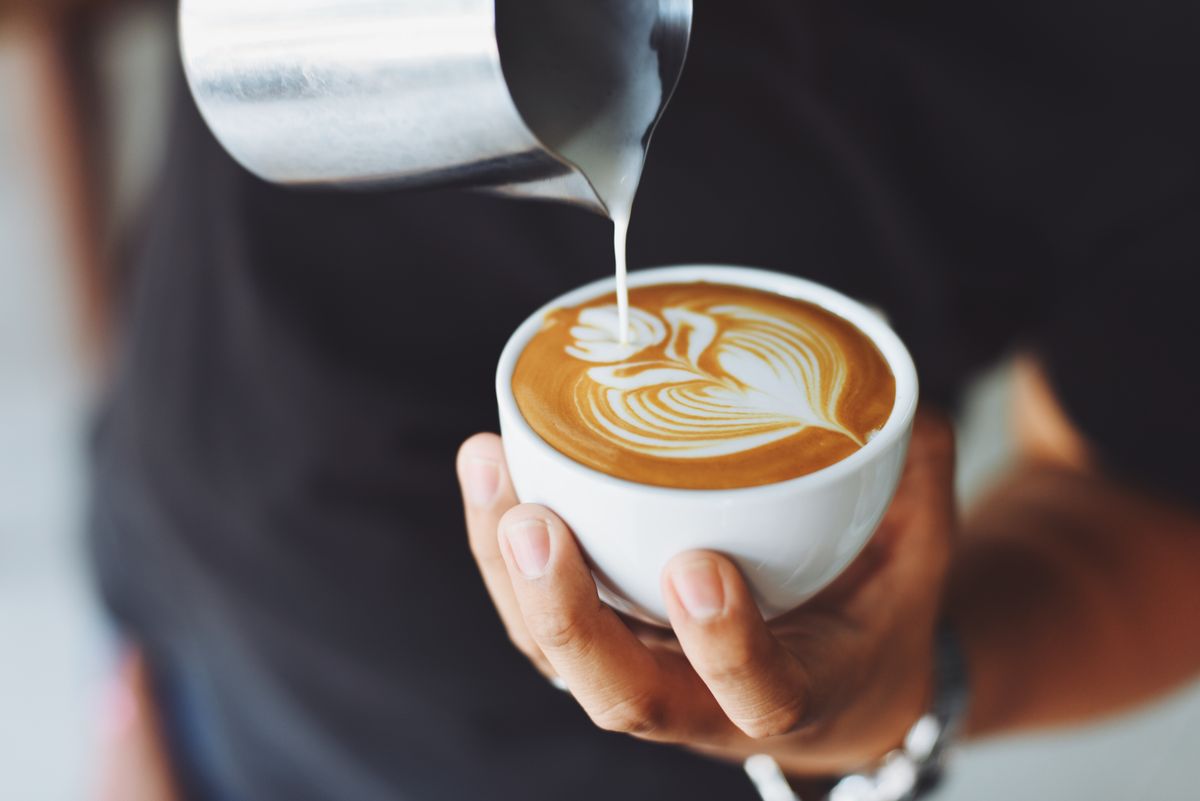
Two different brewing traditions, two different cups of coffee — but both part of Asia's rich coffee heritage
Final Thoughts
Yunnan and Vietnam sit on the same continent, share a border, and share a climate — but they've taken two radically different paths. Vietnam chose volume, speed, and accessibility, becoming the world's Robusta powerhouse and creating one of the most beloved coffee cultures on the planet. Yunnan chose quality, patience, and specialty, betting that there's a market for Chinese-origin single-estate Arabica.
Neither path is wrong. Together, they show the full spectrum of what coffee can be — from a $2 street-side iced coffee in Ho Chi Minh City to a $6 pour-over in a Kunming tasting room.
And the next chapter? Vietnam is starting to explore specialty (especially with Arabica trials in Da Lat's cooler highlands). Yunnan is scaling up production without losing quality gains. In five years, these two coffee giants might be competing in the same market segments more directly than they do today. That's a future worth watching.
Related: Yunnan vs Colombian Coffee · Yunnan vs Ethiopian & Brazilian · What is Yunnan Coffee?